


Steven Cumper
Steven John Cumper, B.App.Sc. (Osteo.), M.Ost., is a businessman with a strong background in biomedical science and osteopathic medicine. He founded Medshop while studying at RMIT University in Australia, expanding its reach to markets in Papua New Guinea, Singapore, and Malaysia. In September 2021, the Bunzl Group acquired a majority stake in Medshop, but Cumper remains involved as the Managing Director (Medshop Group). His journey from Zimbabwe to the UK and Australia reflects his dedication to academia and entrepreneurship, combining diverse knowledge and experience.
Latest Articles

August 09, 2024
Steven Cumper
CPR vs. AED — What Sets Them Apart
This information is not intended to be a substitute for professional medical advice.To understand the latest medical guidance on using CPR or an AED please consult Australian Resuscitation Council or the American Heart Association. In a medical emergency, every second counts. Whether it's a sudden cardiac arrest or a critical respiratory event, having the knowledge and skills to respond effectively can meanthe difference between life and death. Two crucial tools in such situations are Cardio-Pulmonary Resuscitation (CPR) and the use of an Automated External Defibrillator (AED). Understanding when to administer CPR versus employing an AED is important knowledge that can save lives—whatever your background. Both techniques are designed to support a failing heart, but they serve distinct roles when caring for a patient. This article explains the critical differences between CPR and AED, delving into when to employ each technique and how they can work together to save lives. Read on to learn more. The Importance of Immediate Response in Cardiac Emergencies Cardiac emergencies, such as heart attacks and sudden cardiac arrest, are critical and time-sensitive situations that require immediate and effective response. The importance of immediate action cannot be overstated, as it can significantly impact the outcome and increase the chances of saving a person's life. When the heart's blood supply is compromised, either due to a blockage in the arteries (heart attack) or a sudden malfunction of the heart's electrical system (cardiac arrest), every passing moment can lead to irreversible damage to the heart muscle and vital organs. Immediate response can help minimise the extent of damage and increase a person's chances of survival. What Is CPR? Cardiopulmonary resuscitation (CPR) is a life-saving technique performed by first responders in emergencies when a person's heartbeat or breathing has stopped. CPR aims to manually circulate blood and oxygen throughout the body to maintain essential organ function until professional medical help arrives. CPR is a critical intervention during cardiac arrests, drowning incidents, suffocation, and other situations where the normal circulation of blood is disrupted. How Does It Work Check Responsiveness: Gently shake the person and shout to check if they are responsive. If there is no response, it indicates an emergency. Call for Help: Dial emergency services or ask someone nearby to do so. Open the Airway: Tilt the person's head back slightly and lift the chin to open the airway. Check for Breathing: Look, listen, and feel for normal breathing. If the person is not breathing or is breathing abnormally, CPR should be initiated. Chest Compressions: Place the heel of one hand on the centre of the person's chest, just below the nipple line. Place the other hand on top and interlock the fingers. Deliver chest compressions by pushing hard and fast at a rate of about 100-120 compressions per minute. Allow the chest to fully recoil between compressions. Rescue Breaths: After 30 compressions, give two rescue breaths. Pinch the person's nose shut, cover their mouth with yours, and give breaths until the chest rises. Continue Compressions and Breaths: Alternate between 30 compressions and 2 rescue breaths until the person starts breathing on their own, emergency personnel arrive, or you are too exhausted to continue. CPR helps maintain blood circulation, delivering oxygen to the brain and other vital organs. It can buy valuable time until more advanced medical interventions, such as defibrillation, can be administered. Automated external defibrillators (AEDs) are often used in conjunction with CPR to restore the heart's normal rhythm. When to Use CPR — Situations and Indications Cardiopulmonary resuscitation (CPR) is a critical technique used to revive a person whose heart has stopped beating or is beating irregularly, and who is not breathing or not breathing normally. Knowing when to use CPR is essential for providing timely and effective assistance in life-threatening situations. Here are some key situations and indications for performing CPR: Cardiac Arrest — CPR is most commonly used during cardiac arrest. Cardiac arrest occurs when the heart suddenly stops pumping blood effectively. This can result from various causes, such as a heart attack, arrhythmias, drowning, electrocution, or severe trauma. If a person is unresponsive, not breathing, and has no pulse, CPR should be initiated immediately. Unresponsiveness — If an individual is unresponsive and not breathing normally, CPR should be started. Gently tap the person and shout loudly to check for responsiveness. If there is no response, begin CPR. No Normal Breathing — If a person is not breathing or is only gasping, CPR should be initiated. Gasping is not considered normal breathing and requires immediate action. Choking — If a person becomes unresponsive due to choking and is not breathing, CPR should be started after attempting to clear the airway with back blows and abdominal thrusts (Heimlich manoeuvre). If the person regains responsiveness, CPR is not needed. Drowning — Individuals who have experienced near-drowning incidents and are unresponsive with no normal breathing require CPR to restore breathing and circulation. Drug Overdose or Poisoning — In cases of severe drug overdose or poisoning leading to unconsciousness and no normal breathing, CPR is necessary to maintain blood flow and oxygen delivery. Sudden Collapse — If a person collapses suddenly and is unresponsive, CPR should be started to provide immediate life support while awaiting medical help. Unknown Cause of Unresponsiveness — If the cause of unresponsiveness is unknown and the person is not breathing or not breathing normally, CPR should be initiated to address potential cardiac arrest. It's important to note that CPR is not typically performed in situations where the person has a pulse and is breathing normally, even if they are unconscious. In such cases, placing the person in the recovery position and monitoring them until medical help arrives may be appropriate. Remember, early initiation of CPR significantly improves survival rates and reduces the risk of brain damage. If you are unsure whether CPR is needed, it's safer to begin chest compressions until professional medical assistance arrives. Proper CPR technique and training are crucial to ensure the best possible outcomes in these critical situations. What is an AED? The acronym AED stands for Automated External Defibrillator, and they are placed in public places, often as part of a broader first aid kit, to provide emergency care in the event of cardiac arrest. Defibrillator AEDs, like the ones produced by Laerdal, Zoll, and HeartSine allow untrained people to administer ventricular fibrillation (VF) to a human body that has suffered a cardiovascular event such as a heart attack. The AED has changed the fate of cardiac arrest victims forever. Before their introduction, without medical attention, standard CPR was the only chance someone had of surviving a cardiac event. Today, in cities where CPR is widely practised and AEDs are readily available, success rates range from 25 to better than 60 percent. The high end of the data comes from cases where the AED came into play. In the absence of CPR training and AEDs, success rates drop closer to 10 percent. It’s the AED units that improve these data the most. Unlike the hospital defibrillation machines, which predated AEDs and required specific training, these new consumer-friendly defibrillators are accessible to even the untrained. As stated by Defib First Australia, “Modern AEDs cannot be used inappropriately and it is not possible to do any further harm to a cardiac arrest victim who is, in effect, dead and will remain so unless defibrillated.” As far as the value of the AED on cardiac patients, the same site said it best: “An AED is the most vital piece of emergency first aid equipment and the only effective first aid treatment for cardiac arrest.” You can learn more about how to use an AED defibrillator here. Check HeartStart AED with FREE carry case* When should an AED be used? In short, whenever someone’s heart has stopped beating, that’s the best time to use the AED pads. When a heart stops beating, time is of the essence, because after six minutes of oxygen depletion, the brain begins to die. Damage can and will likely occur long before that point. That means you have minutes to get the oxygen moving through the body again. In the heat of such a moment, even though time seems to slow down, minutes slip away quickly. The good news about today’s AEDs is that they will not deliver a shock to a body with a beating heart. As such, there is no bad time to grab the AED if someone has fallen down. For this reason, most response training advises you to delegate retrieval of the nearest AED in the first moments of the incident. Key Differences Between CPR And AED Cardiopulmonary Resuscitation (CPR) and Automated External Defibrillator (AED) are both crucial components of cardiac arrest response, but they serve different roles in the effort to save a person's life. Here are the key differences between CPR and AED: CPR (Cardiopulmonary Resuscitation) Manual chest compressions and rescue breaths. Maintains minimal blood flow until normal heart activity is restored. Trained individuals perform CPR. Requires training for proper technique. No specialised equipment needed. AED (Automated External Defibrillator) Delivers electric shock to restore normal heart rhythm. Resets the heart's electrical activity during specific arrhythmias. Designed for use by laypeople. Minimal to no AED training required due to voice prompts. Specialised device that analyses and corrects heart rhythm. Combined Use CPR and AED are used together to maximise survival chances. CPR starts blood circulation, AED assesses and corrects heart rhythm. The Role of CPR and AED In Cardiac Arrest Response In a cardiac arrest emergency, CPR and AED work together to improve the chances of survival: CPR (First Step) Provides manual chest compressions and rescue breaths. Circulates oxygenated blood to vital organs. Buys time until professional medical help arrives. AED (Second Step) Analyzes the heart's rhythm. Delivers an electric shock if needed. Aims to restore a normal heart rhythm. The combination of immediate CPR followed by AED use is crucial for an effective cardiac arrest response, with each step enhancing the patient's chances of recovery. Common Misconceptions and Myths About CPR And AED There are several misconceptions and myths surrounding CPR and AED: Myth — Only medical professionals can perform CPR. Fact — Bystanders and laypeople can effectively perform CPR and should do so in emergencies. Myth — AEDs can cause harm. Fact — AEDs are designed to be safe and will only deliver a shock if a shockable rhythm is detected. Myth — AEDs can restart a stopped heart. Fact — AEDs aim to restore a normal rhythm in a heart that is still beating abnormally; they don't "restart" a stopped heart. Myth — CPR can restart the heart. Fact — CPR can help maintain blood flow and oxygenation but may not restart the heart. AED use is often necessary for rhythm correction. Myth — Only older adults need CPR and AED. Fact — Cardiac arrest can happen to people of all ages, including children and young adults. Myth — You need to be certified to use an AED. Fact — While training is helpful, AEDs are designed for use by anyone, even without formal certification. Myth — You should stop CPR when using an AED. Fact — Continue CPR until the AED is ready to analyse or deliver a shock. The AED will prompt you when to pause. FAQs — Clearing Doubts About CPR And AED Do you use an AED on someone with a pacemaker? The simple answer is yes, but there are a few caveats to AEDs used with pacemakers. Know that pacemakers of any sort should withstand external defibrillation without a problem. The problem with the pacemaker placement is that it usually coincides with the placement of one defibrillator pad. As such, you’ll have to get as close as possible to the correct location. Some AED units may assist with placement. Others may reject the placement. You may need to place the pad directly on the pacemaker, but try to avoid this. In any case, remember that any effort you make is better than none. This person only stands to improve their situation as they are essentially terminal without a heartbeat. Once the pads are in place, run the AED as normal and keep your hands off. After a successful resuscitation, their pacemaker may require attention from a professional, but that’s not a reason to avoid AED administration. Can you use an AED on an infant? If you find yourself in this spot, know that there are special pads and accompanying instructions with most AED units for delivering a shock to a child. The cutoff age is eight. Any human under eight years old will need specially sized defibrillation pads. You should NEVER use the adult pads on a child under the age of eight, even if you have no other options. The risk is not only to the child but to those in the near vicinity. Again, check with your accredited CPR/AED organisation for more details on that. When not to use an AED? Automated External Defibrillators (AEDs) are life-saving devices, but there are specific situations when their use should be avoided. Firstly, AEDs should not be used when the victim is breathing normally or has a detectable pulse. These devices are designed for cases of sudden cardiac arrest where the victim is unresponsive, not breathing, and lacks a pulse. Additionally, AEDs should not be used in environments with moisture or water present, as this can compromise their effectiveness. Moving the victim to a dry area or ensuring their chest is dry before attaching the AED pads is crucial. If the victim's chest is obstructed by medicinal patches or excessive hair, it's essential to clear the area quickly by wiping or shaving before applying the AED pads. Using an AED in areas with explosive or flammable materials is highly dangerous, as the electrical shock delivered by the device could potentially ignite a fire or cause an explosion. In cases of severe hypothermia where the victim's body temperature is extremely low, it's important to prioritize warming the victim before attempting defibrillation, as their heart's response to the shock can be significantly affected. Lastly, if there is a valid, visible Do Not Resuscitate (DNR) order for the victim, it indicates their explicit wish not to be resuscitated. In such cases, using an AED would be inappropriate. In summary, while AEDs are valuable tools for cardiac arrest situations, careful assessment of the circumstances and the victim's condition is essential to their appropriate use. Why is defibrillation important in CPR? Defibrillation is crucial in emergencies involving cardiac arrest for several reasons. Firstly, it delivers an electrical shock to the heart, momentarily stopping all electrical activity. This pause allows the heart's natural pacemaker to reset, potentially restoring a normal rhythm In addition, defibrillation complements CPR efforts. While CPR maintains minimal blood flow to vital organs, it cannot correct an irregular heart rhythm. Defibrillation steps in to potentially restore a normal rhythm, maximally boosting the odds of successful resuscitation. Certain abnormal heart rhythms, specifically ventricular fibrillation (VF) or pulseless ventricular tachycardia (VT), respond well to defibrillation. These are categorised as "shockable" rhythms, and without swift intervention, they often lead to fatal outcomes. Finally, Automated External Defibrillators (AEDs) are designed to be portable and user-friendly. They offer clear voice and visual prompts, making them accessible in various settings, from homes to public spaces. They can be operated by individuals with minimal training, extending their potential life-saving reach. Can You Perform CPR While Using an AED? Yes, you can and should perform CPR while preparing to use an AED. When responding to a cardiac arrest, it's essential to start CPR immediately to maintain blood circulation to the vital organs. Once the AED arrives, continue CPR while the AED is being set up and the pads are being applied. However, when the AED is ready to analyze the heart's rhythm or deliver a shock, you must briefly stop CPR and ensure no one is touching the patient. After the shock is delivered (if needed), immediately resume CPR until the AED instructs you otherwise or professional medical help arrives. This combination of CPR and AED use is critical for increasing the chances of survival. How does CPR compare to Basic Life Support (BLS)? In short, CPR and BLS are similar as they share the same goal—to keep the airway open, the heart beating, and the circulation of oxygen to the body going without the use of advanced life support. However, understanding the difference between the two will allow you to know when to use CPR and when to use BLS. A BLS certification is a little more advanced, not so much as an Advanced Life Support (ALS) certification, but more than a standard CPR certification. That said, in practice, there is little daylight between these two. Some BLS certifications teach advanced methods like the administration of oxygen, team approaches, and in-hospital procedures, but the two certifications are close neighbours. In the case of someone seeking a certification for employment, it’s best to check with the employer if they consider the certifications as equivalent qualifiers. To someone suffering a catastrophic cardiovascular event, it will make little difference whether their attendant is CPR or BLS certified. Both are better than doing nothing when an AED is not available. Author: Steven John Cumper, B.App.SC. (Osteo.), M.Ost., is a businessman with a strong foundation in biomedical science and osteopathic medicine, who founded and led Medshop to international success, culminating in its acquisition by the Bunzl Group in September 2021, where he continues to serve as Managing Director (Medshop Group).

August 09, 2024
Steven Cumper
What is a Defibrillator? How AEDs Work and How to Use Them
Everyone knows what a defibrillator is. They’re a mainstay of Hollywood drama and a paramedic’s most recognisable tool. Here we look at how they work and when to use one.

April 02, 2024
Steven Cumper
What is a Ventilator? How Does it Work and How to Use It
A ventilator is one of the most important pieces of equipment doctors have at their disposal. You've probably heard a lot about ventilators recently, as they have been used extensively during the coronavirus pandemic to treat patients with severe cases of COVID-19. In essence, they are used as life support to help patients in ICU who are struggling to breathe and those who have lost the ability to breathe, ventilators have saved hundreds of thousands of lives over the years. Understanding the basic principles of artificial ventilation, and learning what happens when someone is on a ventilator, will help to prepare you for going on a ventilator yourself. If you’re supporting a loved one who’s on ventilation or about to go on ventilation, getting an idea of what a ventilator is used for can be even more important. What is a Ventilator? A ventilator is a medical device designed to support or replace the breathing process when a patient is unable to breathe adequately on their own. Modern ventilators are precisely engineered pieces of medical equipment. Used in virtually every major hospital in the world, they can help patients through severe illness, surgery and paralysis. The primary function of a ventilator is to breathe - or support breathing – for patients who have lost the ability to respirate themselves. Ventilator support helps patients to breathe by gently forcing air into their lungs using a breathing tube inserted into the windpipe. The patient’s body then expels the air naturally. Some ventilators help patients to exhale as well as inhale like the Neopuff T-Piece Resuscitator RD900. Patients going into surgery under general anesthesia are often put on mechanical ventilators because surgical drugs and procedures can interfere with the breathing process. Being on a ventilator will ensure that the patient is able to get enough oxygen into their system throughout the operation. In intensive care units, ventilators are used to help patients who are struggling to breathe because of an illness or accident that causes acute respiratory distress syndrome (ARDS) or pneumothorax (collapsed lung). Taking over the breathing function for a patient can give their body time to rest and help them along the road to recovery. It can also give doctors time to try new medications, assess the condition of the patient and create effective treatment plans. How Does a Ventilator Work? A ventilator works by mechanically assisting or taking over the breathing process for a patient who is unable to breathe adequately on their own. For many years, ventilators and breathing machines used negative pressure to help a patient breathe. When the body is exposed to negative pressure, it causes the thorax to expand and air to be drawn into the lungs. The most famous example of negative pressure ventilation is probably the Iron Lung, a groundbreaking machine that saved the lives of thousands of children affected by polio. Today, most ventilators use positive pressure to help patients breathe. These ventilators push oxygen into a patient’s airway via a mask or endotracheal or tracheostomy tube. The positive pressure causes air to flow into the lungs until the ventilator breath ends. Often, oxygen is added to the air supply to ensure the patient’s levels of oxygen in the blood reach the correct level. With a Face Mask Using a face mask to aid oxygen intake is called non-invasive ventilation. In this approach, a well-fitted plastic face mask covers both the nose and mouth. A tube links the mask to the ventilator, delivering air into the lungs. This method is usually preferred for less severe respiratory issues. With a Breathing Tube For more severe cases, endotracheal and tracheostomy tubes are inserted while the patient is under general anaesthetic. Endotracheal tubes enter the patient’s airway via the mouth while tracheostomy tubes are inserted into the throat or trachea. Tracheostomy tubes are generally used when a patient requires long periods of ventilation. Both endotracheal and tracheostomy tubes are a type of invasive ventilation. In some cases, a non-invasive method of ventilation will be more appropriate. This delivers positive pressure to the airway via a mask. This type of ventilation increases gas exchange and reduces the amount of effort it takes for a patient to breathe. How is Ventilation Measured? In a clinical setting, minute ventilation (MV) is measured by multiplying the respiratory rate (RR) - the number of breaths delivered by the ventilator per minute - by the tidal volume (Vt) which refers to the amount of air delivered to the lungs with each breath. This calculation shows how regularly a patient is breathing and how much air they are able to inhale with each breath. Doctors will monitor both the respiratory rate and tidal volume of a patient's lungs while they are on a ventilator. They will also monitor the oxygen levels and carbon dioxide saturation of the patient’s blood in order to ensure they are breathing as they should. Types of Ventilators There are various types of ventilators available to treat patients with different needs. Medical professionals will assess a patient, their condition, prognosis and treatment plan before deciding which type of ventilation is most suitable. · Invasive Ventilation Invasive ventilation is when a tube is inserted into a patient’s mouth (endotracheal) or throat (tracheostomy) to help them breathe. This tube is attached to the ventilator which uses intermittent positive pressure to gently force air into the patient's lungs. · Non-invasive Ventilation - CPAP and BiPAP CPAP and BiPAP are both forms of non-invasive ventilation commonly used to treat sleep apnea and other respiratory conditions. CPAP ventilators use continuous positive pressure to help patients maintain their breathing. CPAP machines administer pressure via a mask rather than an endotracheal or tracheostomy tube. This makes them a non-invasive ventilation option. BiPAP machines offer patients pressure relief between breaths to help them exhale. · Nasal Ventilation Nasal ventilation is a type of non-invasive ventilation. It is often used to provide domiciliary nocturnal ventilatory support in patients with chest wall disorders, neuromuscular disease and chronic obstructive lung disease (COPD). Like a CPAP machine, nasal ventilation works by the delivery of positive pressure to the airway. Nasal ventilation generally uses intermittent pressure to allow the patient to exhale naturally. Ventilator FAQs What is the Difference Between a Medical Respirator and a Ventilator? A respirator is a masklike device, usually made of gauze, worn over the nose and mouth to prevent the inhalation of noxious substances. Health professionals wear respirator face masks to filter out virus particles so they aren’t exposed to infection when treating patients. Respirators also help to prevent the wearer from passing on any infections they may have to their patients. Unlike ventilators, respirations don’t push air into the lungs or aid breathing. They are purely used as personal protective equipment to prevent infection and injury. What is the Difference Between a Medical Ventilator and a CPAP Machine? Medical ventilators work via a tube inserted into the neck or mouth of the patient, usually for critical care in ICU settings. They use short ‘breaths’ of positive pressure to gently force air into the lungs and effectively breathe for the patient. CPAP machines, while a type of ventilator, work very differently. CPAP stands for Continuous Positive Airway Pressure. When a patient is using a CPAP machine, they will have a face mask like the Philips Pico Nasal over their nose and mouth. The machine then applies continuous pressure to their airway via the mask in order to help them breathe. CPAP machines are used by individuals to treat conditions such as obstructive sleep apnea as prescribed by a respiratory therapist. Using a CPAP machine at night prevents patients with obstructive sleep apnea from experiencing breathing difficulties as they sleep. How Long Can You Be on a Ventilator? Mechanical ventilation is used as a last resort, and medical professionals will try to discontinue ventilation as soon as is safely possible. This is because there are a number of health risks associated with long term ventilation. These include: Ventilator-associated pneumonia Sinus infection Blood clots Lung injury Damage to vocal cords The process of taking a patient off of ventilation is called weaning. With expertise developed over years in the field, our products have been enabled to offer invaluable support and resources to medical teams. When a patient is being weaned, doctors will carry out spontaneous breathing trials. During these trials, the patient will attempt to breathe with reduced or no ventilator support. Patients undergoing breathing trials are closely monitored by a team of medical professionals. For patients who have been on a ventilator for an extended period, successful weaning may require multiple attempts. Can a Person Recover From a Ventilator? As an expert in the field, it's crucial to understand that while many individuals placed on a ventilator will indeed recover from their underlying illness, injury, or surgical procedure, it's important to recognize that the process of recovery can vary significantly from person to person. Ventilators provide essential breathing support, allowing the body time to rest and heal. However, it's essential to approach each case with a realistic understanding that not all patients will recover following ventilation. Some individuals may have pre-existing conditions or severe underlying illnesses that make recovery more challenging. It's important for healthcare providers to closely monitor patients on ventilators, adjusting treatment plans as needed and providing comprehensive care to support the healing process. This may include physical therapy, nutritional support, and ongoing medical management. Furthermore, for patients and their families, it's essential to maintain open communication with healthcare professionals, ask questions, and participate actively in decision-making processes regarding care and treatment options. Is it Painful Being on a Ventilator? In most cases, the endotracheal or tracheostomy tubes used for ventilation are inserted when a patient is under general anaesthetic. This means the patient won’t experience any pain during the procedure. Once the tube is in place, it may cause a little discomfort. Patients will often be prescribed sedative and analgesic medications in order to make them more comfortable. Patients who are on invasive ventilation can’t talk and their movement is very restricted. They also can’t eat and so receive nutrients via an IV or through nasogastric feeding. Some patients who require long term ventilation may be able to use a portable machine. This will give them more freedom of movement and greater independence. What is the Price of a Medical Ventilator? The cost of a medical ventilator will vary depending on its make, model and capabilities. Good quality ventilators are available for around $8,500. A range of accessories and replacement parts are available for most ventilators to help equipment last longer and work efficiently. Where to Buy a Ventilator Ventilators are available to purchase from recognised medical equipment supply stores. As ventilators are essential pieces of life-saving equipment, they should only ever be sourced from trusted retailers. Explore our range of ventilators or get in touch to find out more about the products we offer. You’ll find more information on other health topics and equipment in the Medshop blog. Author: Steven John Cumper, B.App.SC. (Osteo.), M.Ost., is a businessman with a strong foundation in biomedical science and osteopathic medicine, who founded and led Medshop to international success, culminating in its acquisition by the Bunzl Group in September 2021, where he continues to serve as Managing Director (Medshop Group).

January 05, 2024
Steven Cumper
Stethoscope Care and Cleaning — Get the Most Out of Your Equipment
Here then, we take a look at how to care for your stethoscope as well as a few stethoscope cleaning guidelines to ensure you get the most of our of your equipment.

July 23, 2024
Steven Cumper
What is an ECG?
An electrocardiogram (ECG or EKG) is a simple, non-invasive test that measures the electrical activity of the heart. This test is crucial for diagnosing and monitoring various heart conditions. In Australia, where cardiovascular diseases are a leading cause of death, understanding the role of an ECG can help in the prevention and early detection of heart issues. An electrocardiogram is a medical test that records the electrical signals generated by the heart as it beats. These signals are captured through electrodes placed on the skin, typically on the chest, arms, and legs. The resulting data is displayed as a graph, known as an electrocardiogram, which healthcare professionals analyze to assess heart health. ECGs are often used by doctors to help them diagnose heart-related issues like coronary heart disease, arrhythmias, cardiomyopathy and heart attacks. They can also be used as part of a general check-up and to monitor patients when they’re undergoing a range of medical procedures. Because electrocardiograms are so useful, they’re one of the most common medical tests used around the world. To help you understand exactly what an ECG is and what it is used for, we’re taking a closer look at the procedure, the equipment needed and the benefits of an ECG. The Importance of Regular Heart Checks in Australia Heart disease remains one of the leading causes of death and illness in Australia, affecting thousands of Australians every year. Regular heart checks, including electrocardiograms (ECGs), play a crucial role in preventing and managing heart-related conditions. One of the primary benefits of regular heart checks is the early detection of heart conditions. Many heart diseases, such as coronary artery disease and arrhythmias, may not show obvious symptoms in their early stages. An ECG can reveal abnormalities in heart function that might otherwise go unnoticed. Early detection allows for timely intervention, which can prevent serious complications, such as heart attacks or strokes. The Australian government, along with various health organizations, has implemented several programs and initiatives to promote heart health and encourage regular check-ups. Campaigns like the Heart Foundation's "Check Your Heart" initiative aim to raise awareness about the importance of heart health and provide resources for Australians to get their hearts checked. These programs are instrumental in reducing the burden of heart disease on the healthcare system and improving public health outcomes. When Should You Get a Heart Check? Healthcare professionals recommend that adults, especially those over the age of 45, should have regular heart checks. For those with risk factors or existing heart conditions, more frequent monitoring may be necessary. It's advisable to consult with a healthcare provider to determine the appropriate schedule for heart checks based on individual health profiles and risk factors. What is an ECG Test? An ECG test is a type of medical procedure that measures the electrical activity and rhythm of a patient’s heart. ECGs are often carried out in medical settings in order to monitor patients and aid diagnoses. They are also often used by paramedics and other first aid providers when working on a person experiencing a heart attack or arrhythmia. A number of good quality defibrillators come with built in ECGs. This allows first aiders to properly assess the patient’s condition and provide the most appropriate level of care. The results of an ECG are either printed on specialist ECG paper or displayed on a screen. In general, some medical training is required in order to accurately read and interpret the results of an ECG test. What is an ECG Scan? An ECG scan is another term for an ECG test. There are three main types of ECG test: resting, ambulatory and exercise stress test. A resting ECG is carried out when a patient is still and lying down. It normally takes around 10-15 minutes to complete and is used to check the resting rhythm of the heart. An ambulatory ECG is used to monitor a patient’s heart activity as they complete a variety of tasks. It’s often carried out using a portable device that is worn by the patient for a period of 24 or 48 hours. These types of ECGs can highlight occasional irregular activity and show how the heart copes with gentle exercise and daily living. As the name suggests, an exercise stress test is carried out when the patient is undergoing more strenuous physical activity. Patients are often asked to ride an exercise bike, run on a treadmill or take a rapid walk for a period of around 30 minutes while the test is underway. The results of an exercise stress test show how the heart copes with this increased physical activity. What is an ECG and What Can it Tell You? ECGs carried out on healthy hearts have a characteristic shape. Any deviation in this pattern can indicate that there is something wrong with the heart or with the blood vessels that serve it. If irregular activity is noted on an ECG, it could mean that there is damage to the heart muscle or the vessels that surround the heart, or that the patient is experiencing an irregular heartbeat. In all cases, further investigation would be required in order to accurately diagnose the condition and treat the patient. What is an ECG Machine? An ECG machine is the main piece of equipment required to carry out an ECG test. The machine itself is normally fairly lightweight and features a screen or printer that displays or prints test results. The ECG machine is attached to the patient via a series of cables and sensors. These ECG leads allow the machine to accurately measure the heart’s rhythm and electrical activity. Because ECGs measure the activity of the heart, it’s important that the patient remains still for the duration of the test. If the patient moves around too much, the test may be inaccurate and the leads may become disconnected. In general, patients undergoing ECGs will be asked to lie on a bed until the test is complete. What is an ECG Used For? There are a number of reasons a doctor might ask for an ECG to be carried out. A patient will often have an ECG if they’re undergoing a general check up or if they’re experiencing one of the following symptoms: Chest pain Shortness of breath Dizziness Fainting Fast or irregular heartbeat (palpitations) A doctor may also recommend an ECG for people who are at increased risk of developing heart disease. For example, those with a family history of heart disease, smokers, diabetics and people with high blood pressure, obesity and high cholesterol. What is the Difference Between an EKG and an ECG? When you begin researching ECGs, you’ll often come across the term ‘EKG’ as well. This can be confusing, but it’s important to understand that an ECG and an EKG are actually exactly the same. An EKG is simply another term for an ECG test. What Does an ECG Measure? ECG tests have been specially developed to measure the electrical activity of the heart. If a patient has damaged heart muscle or diseased blood vessels, they will affect the shape of the ECG and indicate to doctors that further tests are required. Following an irregular ECG, a patient might be sent for a chest x-ray, an echocardiogram (an ultrasound of the heart), an MRI scan or blood tests. These investigations will help the doctor to get a clearer picture of the heart and identify the exact cause of the irregular ECG. What are External Factors Affecting ECG Results? Electrical Interference The presence of electrical devices, such as mobile phones, can cause interference. Being in an environment with high electromagnetic activity, such as near large machinery or medical equipment, can affect the ECG readings. Electrode Placement If the electrodes are not placed correctly on the body, it can lead to inaccurate readings. Poor contact between the electrodes and the skin, often due to oily or sweaty skin, can disrupt the signal. What are Patient-Related Factors? Movement and Muscle Activity Any movement during the test, such as talking, coughing, or shifting positions, can cause artifacts in the ECG recording. Tensing muscles or shivering can also introduce noise into the ECG trace. Skin Conditions Conditions like eczema, dermatitis, or excessive body hair can impede proper electrode adhesion, affecting the signal quality. What are Patient Conditions that may affect the results? Electrolyte Imbalances High or low levels of potassium in the blood can alter the ECG waveform, as potassium is crucial for cardiac electrical activity. Abnormal levels of these electrolytes can also affect heart function and ECG results. Heart Conditions Irregular heart rhythms can cause inconsistent ECG readings. Scarring from a previous heart attack or surgery can affect the electrical signals of the heart. Medications Medications used to treat heart conditions, such as beta-blockers or antiarrhythmic drugs, can alter the ECG pattern. Non-cardiac medications, including some antidepressants and antipsychotics, can also impact ECG results. Substances Consumption of caffeine or nicotine before the test can increase heart rate and affect the ECG. Alcohol and recreational drugs can significantly alter heart rhythms and ECG readings. Stress and Anxiety Stress, anxiety, or panic attacks can increase heart rate and cause changes in the ECG. Physical exertion before the test can elevate heart rate and affect the results. Find out more about ECGs, browse our collection of high quality ECG machines and accessories or learn about our other specially selected medical products by exploring the Medshop site today. Author: Steven John Cumper, B.App.SC. (Osteo.), M.Ost., is a businessman with a strong foundation in biomedical science and osteopathic medicine, who founded and led Medshop to international success, culminating in its acquisition by the Bunzl Group in September 2021, where he continues to serve as Managing Director (Medshop Group).

November 28, 2022
Steven Cumper
Buying a Medical Student Stethoscope - Full Guide
Most medical students will need to invest in a stethoscope when they start their training. Learning how to use one of these iconic instruments properly is a rite of passage, and an essential step on the career ladder for medical students everywhere. If you’ve just started out on your medical journey, treating yourself to a good quality stethoscope will help you to feel the part and set you on your way to success. If you have a friend or family member who’s an aspiring doctor or nurse, giving them a brand new stethoscope will show you care and give them a bit of encouragement as they start out in their new vocation. To help you find the right product for your needs, and get your medical training off on the right foot, we’re taking a look at the best student stethoscope options around. What Features to Look for When Buying a Medical Student Stethoscope? In general, students don’t need a stethoscope with lots of bells and whistles when they’re just starting out. In most cases, fairly basic models will be more than enough for student doctors and nurses at the start of their training. As long as the stethoscope is good quality, durable and has high acoustic sensitivity, it should be suitable for both aspiring doctors and nurses. A model like the Spirit Classic CK-S601PF Stethoscope is ideal as it offers excellent performance and great value for money. Its excellent acoustics, floating diaphragm and advanced light binaural tubing assembly mean that students will be able to hear everything happening inside their patients’ bodies. Another thing that makes this a great stethoscope for student doctors and nurses is the fantastic range of colours available. Choose from baby blue, shocking pink, lemon yellow, dark green, purple and royal blue among many other shades. Select a bright, bold nursing student stethoscope so you can spot yours easily at the end of the day. Other good options for medical students include the Prestige Clinical I Stethoscope, the Prestige Clinical Lite Stethoscope and the Prestige Basic Spraguelite Stethoscope. All of these affordable stethoscopes offer durability, great acoustics and excellent usability. What Is the Best Stethoscope for Medical Student? While a stethoscope for nursing students and medical students doesn’t need to be particularly fancy or expensive, buying a high-end medical student stethoscope could help to future-proof your investment. After all, if you spend a little more on a professional-standard stethoscope now, you probably won’t have to buy another for years, helping you to save money in the long term. Littmann make some of the very best stethoscopes around. Known for their high-build quality, beautiful design and excellent acoustics, Littmann stethoscopes are used by top medical professionals all over the world. Thanks to their durability and accuracy, these are arguably the best stethoscopes medical students can buy. Unless you’ve already chosen your specialty, you’re probably best off with the 3M Littmann Classic III Stethoscope. This fantastic piece of equipment is a genuine all-rounder. It offers next-generation tubing with enhanced resistance to skin oils and alcohol, high definition sensitivity for doing overall physical examinations, and a tunable diaphragm. The stethoscope can be used on both adult and paediatric patients. If you’ve already decided you’re going to specialise in cardiology, opt for the 3M Littmann Cardiology IV Stethoscope or the 3M Littmann Master Cardiology Stethoscope. Providing far higher levels of accuracy than the average stethoscope student doctors may use, these specialist tools will help to get your career off on the right foot. Littmann also makes infant and paediatric stethoscopes, giving students a great choice when it comes to selecting the product that’s right for them. If you’re studying to be a doctor or nurse and are looking for a student discount Littmann stethoscopes occasionally have offers available. Keep your eyes peeled to see if you can grab yourself a bargain. What Stethoscope Is Best for a Nursing Student? Student nurses are being trained for evermore specialist roles. So, it’s essential that these hard working professionals have access to tools that can help them accurately and quickly assess their patients. A lot of nurses working in hospitals, medical centres and other clinical settings will use stethoscopes regularly to diagnose and monitor the people they care for. This means that students need to master these skills if they’re going to excel in their chosen field. Again, Littmann is one of the best names to look for when buying a student stethoscope. When it comes to choosing a Littmann stethoscope nursing students can’t go wrong with the Classic III. This all-purpose stethoscope performs exceptionally well in all areas and will make it easy for student nurses to carefully examine their patients. If your budget won’t quite stretch to a Littmann, the Prestige Basic Dual Head Stethoscope is a more affordable stethoscope nursing students can invest in. Economical and accurate, it’s ideal for general practitioners, nurses and nursing students, as well as first responders and medical students. A good quality stethoscope is a real asset to aspiring doctors and nurses. Helping them to learn this all-important examination technique, and properly diagnose and monitor their patients, a good stethoscope is an absolute must have for medical students everywhere. To find out more about student stethoscopes, or to explore our entire range of high quality medical supplies, take a look around or get in touch with a member of our team today.

January 22, 2024
Steven Cumper
How To Choose the Right Glucose Meter: Medshop Advice
If you have diabetes, you need to monitor your sugar level. With a glucose meter, you can check your sugar and track your results. We realise that choosing the right meter means you need to know what to look for. Read on and learn about the different monitoring devices, and what each of them can do. It Is Important To Use a Glucose Meter to Monitor Your Sugar Monitoring your glucose levels is vital because it can help decrease your risk of experiencing diabetes-related complications (e.g., kidney problems and vascular disease). The Australian Institute of Health and Welfare (AIHW) states that diabetes affects about 1.3 million Australians. The AIHW recommends that patients taking diabetes medication monitor their blood sugar levels using a glucose meter. People with type 2 diabetes usually check their blood glucose levels (BGLs): Upon waking (fasting). Before meals. Two hours after meals. Before heading to bed. Nevertheless, if you have any form of diabetes, your doctor will determine your specific diabetes management protocol. In addition, your doctor will tell you the glucose levels that you should aim for. Ways You Can Monitor Your Glucose Levels Glucose monitoring options include the capillary blood glucose meter, continuous glucose monitor (CGM) and flash glucose monitor (flash GM). The type of diabetes you have helps determine which of these diabetes care devices will be your best option. A Capillary Blood Glucose Monitor If you have type 2 diabetes, this is probably the blood glucose monitor your healthcare professional will recommend. A capillary blood glucose monitor uses a test strip and a single drop of blood to measure your sugar level. A Flash Glucose Monitor (Flash GM) If you use a Flash GM, a healthcare professional places a sensor just beneath your skin. When you scan the sensor, the monitor checks the sugar level in your tissue. The flash glucose monitoring method works because the glucose levels in your interstitial fluid are comparable to those in your blood. A Continuous Glucose Monitor (CGM) Continuous glucose monitors measure your glucose levels at specific intervals 24 hours a day. Just as with the flash GM, a healthcare provider inserts a sensor beneath your skin. This sensor has a transmitter attached to it. Using Bluetooth technology, the CGM’s transmitter uses a receiver to send data to your doctor. If you use a CGM or flash GM, you need to have a capillary glucose meter as well. That way, you can regularly check the accuracy of your flash or CGM device. Furthermore, if your continuous or flash glucose monitor malfunctions, you can use your capillary meter to check your sugar. What To Look For in a Glucose Meter How important each feature is to you depends on what your specific needs are. If you are unsure which options to select, consider asking your health- care provider for advice. Size Nearly all the capillary blood glucose monitors available today are easily transportable. Although portability is important, make sure the meter you choose has a display that is large enough for you to read. A Strip-Port Light If you need to take your test in an area that is dimly lit, a lighted strip port can be helpful. Since this feature is rare, if you are unable to find a monitor with a lighted port, consider one with a wider test strip dosing area. A Backlit Display A backlit display can make it easier for you to see your results. As such, if you think you will need to use your meter in areas that have very little lighting, consider selecting a monitor with this feature. Furthermore, if you have vision problems, you may benefit from a backlit display. Memory Capacity For long-term diabetes management, you must be able to reflect on your previous readings. Therefore, be sure to select a blood glucose monitor with ample storage capacity. Today, many monitors can store up to 1,000 sets with the date, time, AC (fasting) and PC (non-fasting) mode readings. LifeSmart Twoplus Blood Glucose & Ketone Meter Pros: Great for people of all ages. Ketone warning. Four daily alarms. Only needs a small drop of blood. Easy to use. Large display. USB. Free app. Stores 1000 memory sets. Compatible with IOS and Android. Cons: No Bluetooth. No lighted display. No port strip light. Blood Glucose and Ketone Test Strips We know that when test strips stick together, separating them can be a frustrating task. During the separation process, some may fall to the floor. Since dirt causes an inaccurate reading, these strips are unusable. Avoid this challenge with a meter that has a test strip cassette or ejector option. AccuChek Guide Me Blood Glucose Meter Kit Pros: Includes lancets and lancet device. Test strip cassette available. Includes a carrying case. Easy to use. App automatically sends results to phone. Large display. Wide test strip dosing area. Bluetooth. Quick, accurate results. Compatible with IOS and Android. Cons: No lighted display. No port strip light. No alarms. No test strips with kit. Software May Be Available If you choose a meter that connects to your PC or smartphone, you can use an app to review your blood sugar levels and watch for trends. In addition, with Bluetooth or a USB cable, you can quickly and easily share your data with your healthcare professionals. LifeSmart Twoplus Blood Glucose & Ketone Meter with Blue Tooth Pros: Great for people of all ages. Ketone warning. Four daily alarms. Small drop of blood. Easy to use. Large display. Bluetooth. Free app. Stores 1000 memory sets. Compatible with IOS and Android. Cons: No lighted display. No test strip port light. Audio Capability We know how difficult it can be to see your display when very little light is present. A meter with audio capability can literally tell you your test results. Therefore, if you are looking for ease of use in dimly lit areas, consider choosing a monitor that has this option. A Multi-Function Glucose Meter If you want a meter that offers versatility, consider one that monitors multiple parameters. Accutrend Plus System Pros: Tests glucose, cholesterol, triglycerides and lactate. Provides accurate results for each parameter. Stores up to 100 results. Automatic performance and self-testing. Easy to use. Large display. Cons: No lighted display. No port strip light. No Bluetooth. How Much Do Blood Glucose Meters Cost? A capillary glucose monitor’s features directly affect its price. The price of a capillary glucose meter in Australia ranges from $23.00 to $250.00 AUD. How To Use Your Blood Glucose Monitor Before you begin, make sure you have gathered all the supplies you need. What you need: Your meter. A lancet device. A lancet. Testing strips. An alcohol wipe. A sharp’s container. Using your monitor: Wash your hands with soap and warm water. Dry your hands with a paper towel or fresh cloth towel. Insert the test strip. Clean the side of your fingertip with an alcohol wipe. Save this wipe. Let the alcohol dry completely before you prick your finger with the lancet. Use your lancet to prick the side of your fingertip. Pick up your monitor. Bring the test strip to the drop of blood. Touch the test strip to the drop of blood. Cover the collection site with the alcohol wipe. Place the lancet in your sharp’s container. Read your monitor’s display. Remove the test strip from your meter. Place the test strip in a garbage bin. Target Levels for Blood Glucose Your doctor or diabetic educator will let you know what your blood sugar target range is. However, Diabetes Australia provides information about blood glucose target levels. Diabetes Australia’s Target Blood Glucose Levels Target BGLs Before a Meal 2 Hrs. After Meal Type 1 diabetes 4.0 to 6 mmol/L 4.0 to 8 mmol/L Type 2 diabetes 4.0 to 7 mmol/L 5.0 to 10 mmol/L Monitoring Blood Glucose Levels During Pregnancy For the health of the mother and child, it is vital that a woman with gestational diabetes use a glucose meter to manage her blood sugar. The mother’s doctor may also recommend that she modify her diet. What if the Readings Do Not Seem Right? Your monitor gives you a different reading for each drop of blood you measure. However, you will begin to see trends in your glucose levels. Nonetheless, glucose level variances of 2 mmol/L or less are nothing to be concerned about. If your reading seems slightly off, try the troubleshooting options below: Are you using an expired strip? Is there enough blood on the test strip? Have your strips been exposed to heat or light? Is your battery flat or low? Are you using the correct test strip? Is your strip inserted into the port correctly? Were your hands dry before you collected your sample? Did you squeeze your finger to obtain the blood sample? Is your meter clean? Did you let the alcohol dry? If you used sanitiser, did you let the sanitiser dry completely? Could there be a calibration issue? If you think your calibration is off, you can use the meter’s control solution to check its range. Be sure to follow the directions in your user manual when performing this test. Is the monitor too hot or too cold? If this is the problem, let your monitor reach room temperature before trying to use it. If you still have questions, your pharmacist or diabetes educator can help you check for other issues. To learn more about using a glucose meter to monitor your sugar levels, read the Blood Glucose Monitoring Fact Sheet from the National Diabetes Services Scheme (NDSS). Author: Steven John Cumper, B.App.SC. (Osteo.), M.Ost., is a businessman with a strong foundation in biomedical science and osteopathic medicine, who founded and led Medshop to international success, culminating in its acquisition by the Bunzl Group in September 2021, where he continues to serve as Managing Director (Medshop Group).
March 27, 2024
Steven Cumper
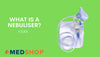
What is a Nebuliser?
A nebuliser is a specialist medical device that’s able to turn a liquid medication into a fine mist. This mist can then be inhaled, via a mouthpiece, into a patient’s lungs where it can treat a number of acute and chronic conditions. Nebulisers are commonly used both on hospital wards, and at home by patients living with long term lung disease. Nebuliser therapy can be incredibly beneficial to people suffering from a number of respiratory diseases. Non-invasive and pain-free, nebulisers can help to improve the quality of life of patients living with chronic obstructive pulmonary disease (COPD), severe asthma and other conditions that make breathing a challenge. Types of Nebulizers There are two main types of nebulisers: jet nebulisers and ultrasonic nebulisers. Ultrasonic nebulisers use high-frequency vibrations to create the aerosolised medication, while jet nebulisers use an air compressor. Ultrasonic nebulisers are expensive and generally only found in hospitals, while jet nebulisers such as Biomedex CA-MI Speedymed are more affordable and so are the most common type used to treat patients at home. Who Is a Nebuliser Used For? Nebulisers are used to treat patients with a range of conditions. Some of the most common are: Chronic obstructive pulmonary disease (COPD) Asthma Cystic Fibrosis Respiratory tract infections Coronavirus Nebulisers are often used by patients in long term care and by those who are unable to use an inhaler like small children and the elderly. Overall, a nebulizer is primarily utilized by people with respiratory issues to help manage their condition and alleviate symptoms. How to Use Your Nebuliser Every nebulizer functions slightly differently, so it's essential to carefully review the instructions provided for the specific device prescribed by your doctor. Despite these variations, using a nebulizer typically involves just a few straightforward steps that we recommend: Wash your hands with soap and water. Pour medication into the nebulizer cup or follow instructions for mixing medications. Assemble the nebuliser by attaching tubing to the machine and connect the mask/mouthpiece. Place mask over nose and mouth or hold mouthpiece securely in mouth (It’s important to form a tight seal between your mouth and the mask or mouthpiece) Start the Nebulizer. Breathe normally, inhaling mist deeply and slowly. Using the nebuliser normally takes between 10 and 15 minutes. How to Clean Your Nebuliser Cleaning your nebulizer is essential to maintain its effectiveness and prevent bacterial contamination. Here's how we recommend you clean your nebulizer: Disassemble the Nebulizer by removing the mask or mouthpiece, tubing and medicine cup. Wash all parts with warm water to remove residue. Use mild soap and water to scrub parts gently. Air dry all parts thoroughly on a clean towel or paper towel. Put the nebulizer back together, by connecting the tubing to the machine and attaching the mask or mouthpiece. Keep it clean in a dry place. Perform a regular maintenance by cleaning after each use and conduct a more thorough cleaning weekly or as advised. Is a Nebuliser the Same as an Inhaler? While both inhalers and nebulisers are used to deliver medication straight to a patient’s lungs, they are not the same. Here are the main differences between the two: Inhalers: Inhalers are highly effective for delivering medication quickly and efficiently, making them ideal for immediate relief of symptoms or for managing sudden flare-ups. They're convenient and portable, allowing users to carry them wherever they go and use them whenever needed. Inhalers require proper technique for effective use, so it's essential for users to learn the correct inhalation method to ensure the medication reaches the lungs effectively. Nebulizers: Nebulizers are great for delivering larger doses of medication over a longer period, offering a continuous stream of mist for patients to inhale via a mouthpiece or face mask. Making them suitable for people who need continuous or frequent treatment. They're helpful for individuals who may have difficulty using inhalers properly, such as young children or the elderly. This ease of use makes nebulisers popular with patients in long term care as well as those treating themselves at home. What Medication is Used in a Nebuliser? Nebulizer medicines, also known as nebulizer solutions or medications, are liquid medications specifically formulated to be administered through a nebulizer. Common types of nebulizer medications include: Bronchodilators: These medications help to open the airways by relaxing the muscles around the air passages. Examples include albuterol (salbutamol), levalbuterol, and ipratropium bromide. Corticosteroids: These anti-inflammatory medications help to reduce swelling and inflammation in the airways. Examples include budesonide and fluticasone. Antibiotics: These medications are used to treat respiratory infections caused by bacteria. Examples include gentamicin and tobramycin. Mucolytics: These medications help to thin and loosen mucus in the airways, making it easier to cough up. Examples include hypertonic saline and dornase alfa. Combination Medications: Some nebulizer medications contain a combination of bronchodilators and corticosteroids to provide both immediate relief and long-term control of respiratory symptoms. At Medshop, we prioritize your health and well-being. It's imperative to adhere strictly to the prescribed usage instructions for nebulizer medications, as directed by your healthcare provider. Dosage and frequency may vary based on the medication and your unique medical condition. Always follow the guidance provided with the medication, and don't hesitate to reach out to us if you have any questions or concerns regarding your treatment regimen. What Type of Machine is a Nebuliser? A nebuliser is a specially made medical device that’s used to turn liquid medication into a fine, breathable mist. It can be used both in hospitals and in the home. Nebulisers are generally made up of four sections, the nebuliser chamber, the air compressor (this is the main part of the nebuliser machine), a length of tubing and a face mask or mouthpiece. Why Does a Nebuliser Not Work for Everyone? Because nebulisers work with a patient’s natural breathing, they’re suitable for most people, even the very old and the very young. However, not all types of medication can be administered via a nebuliser, so if a patient’s medicine can’t be given by nebuliser, they may need to find an alternative treatment plan. Talk to your healthcare provider to find out which treatment option is best for you. What Are the Side Effects of a Nebuliser? In general, nebulisers are very safe, and most patients won’t experience any significant side effects. The most common side effects of nebuliser treatment are rapid heartbeat, jitteriness and anxiety. Less common side effects include headache, nausea, vomiting and throat irritation. To find out more about nebulisers and lung health, explore our collection of nebulisers and accessories or get in touch with a member of our team today. Author: Steven John Cumper, B.App.SC. (Osteo.), M.Ost., is a businessman with a strong foundation in biomedical science and osteopathic medicine, who founded and led Medshop to international success, culminating in its acquisition by the Bunzl Group in September 2021, where he continues to serve as Managing Director (Medshop Group).

July 23, 2024
Steven Cumper
The Best Alternatives to Latex Gloves
If you are allergic to latex and struggling to find work gloves that protect your skin without causing adverse reactions, we are here to help. In this article, we'll explore various professional protective gloves made from alternative materials that offer the same level of protection as latex without the risk of allergies. Latex gloves have long been a trusted choice for protecting the skin in various professional settings, including medical, industrial, beauty, and cleaning sectors. They provide excellent elasticity, comfort, and barrier protection. However, latex is a common allergen, causing reactions in many individuals. That’s why it's crucial to find equally efficient and durable alternatives. But, how did latex become so prevalent? And why are so many people allergic to it? Well, the answer to this lies in its origins as a naturally occurring product within rubber trees. The most common rubber tree species, the Hevea Brasiliensis, originated in the Amazon rainforest where it was first cultivated by Europeans for the production of rubber. The British were responsible for transporting the species to South East Asia where today it is grown in enormous quantities. Its durability, elasticity, and malleability ensured naturally occurring latex became widely used in the 18th Century, but it wasn’t until 1964 that it was first used to create disposable medical gloves. Unfortunately, as a naturally occurring product, latex rubber contains sensitising proteins that cause some people to have allergic reactions upon contact. These allergic reactions can range from mild skin irritations to severe anaphylactic shock, which in extreme cases can cause death. As a result, the need for safe alternatives to disposable latex gloves became extremely pressing, and there are now a number of excellent options available on the market. Here at Medshop Australia, we take a look at a few of the best alternatives just for you. Low-Protein Latex Gloves For those suffering from very mild allergic reactions to natural latex, a number of manufacturers now produce powder-free, low-protein, latex gloves as an alternative to traditional latex gloves. These benefit from having the same durability, elasticity and flexibility as normal latex gloves, and they are also better for the environment than disposable gloves made from synthetic materials that, in many cases, are not biodegradable. However, with the potential for an allergic reaction still possible, even though it is significantly minimized with reduced-protein natural rubber latex gloves, the best alternatives available are completely latex free. Benefits Reduced Allergies: Lower protein content minimizes the risk of latex allergies. High Sensitivity: Excellent tactile sensitivity for precise medical tasks. Strong Barrier Protection: Effective against pathogens and contaminants. Durability: High resistance to tears and punctures. Use Cases Ideal for tasks requiring high sensitivity and strong protection. Suitable for routine and detailed patient examinations. Used in settings requiring protection against biological hazards. Ensures safety and sensitivity during dental procedures. PVC Gloves Polyvinyl Chloride, better known as PVC, is a plastic rather than a rubber, and is therefore completely synthetic—essentially removing the natural proteins entirely. While this means no latex allergies, there are other chemicals used in its production, so it is always best to check first before you use PVC gloves. As an alternative to latex gloves they are cheap, strong (thanks to the thick polymers they are made from) and provide excellent protection from exposure to chemicals and other hazardous liquids. They are, however, far less biodegradable than latex gloves, and when used in the large quantities most hospitals require, they will have a much bigger impact on the environment. Benefits Cost-Effective: Affordable and ideal for high-usage environments. Latex-Free: Safe for individuals with latex allergies. Chemical Resistance: Good protection against mild chemicals and alcohol-based substances. Easy to Wear: Looser fit for quick and easy removal. Clear Appearance: Transparent gloves allow for better visibility during procedures. Use Cases Suitable for routine check-ups in clinics and general practice settings. Ideal for non-invasive tasks like taking blood pressure and temperature checks. Effective for managing medical supplies and paperwork. Used for cleaning surfaces, equipment, and instruments. Ensures hygiene in hospital kitchens and food service areas. Nitrile Gloves Without doubt the best alternative to latex gloves available today, nitrile gloves have become an extremely popular option in many hospitals and surgeries. This synthetic rubber is made from a combination of copolymers, not dissimilar to PVC, that produce an extremely tough and durable material to rival natural latex. Nitrile gloves have excellent protection qualities, especially when handling oil or petroleum-based products, and have even been shown to have lower failure rates than natural latex rubber gloves. Benefits Allergy-Free: Suitable for individuals with latex allergies. Durability: Highly resistant to punctures and tears. Chemical Resistance: Effective against a wide range of chemicals and solvents. Comfort and Fit: Offers a snug fit and good tactile sensitivity. Use Cases Medical examinations and procedures Laboratory work involving chemicals Industrial applications requiring robust protection You will be able to distinguish Nitrile gloves on the ward as they almost always come in blue or black colours, making it easier to spot punctures or tears. The number of wearers suffering from allergic reactions after using Nitrile gloves is below 1%, and this level of reliability has seen them become the most widespread alternative to latex in the medical industry. The only drawback with Nitrile gloves in their current form is the impact their frequent use has on the environment. Much like PVC, synthetic Nitrile polymers are extremely slow to breakdown naturally. However, there is a light at the end of the tunnel, with the first biodegradable Nitrile gloves already beginning to hit the market. These gloves do come at a price though, and until they become a little more cost effective, most hospitals won’t be rushing to stock up on them. Until biodegradable Nitrile gloves become widely available, the best alternative to latex gloves remains Nitrile gloves. Prioritising the safety and comfort of healthcare professionals and patients with latex allergies must take precedent to ensure the ongoing provision of top-quality care in Australia’s healthcare system. Medshop Australia stocks a wide variety of Nitrile gloves, as well as traditional latex ones, to meet the needs of all professionals in the medical industry. Discover our range today and browse the rest of our healthcare industry supplies on the Medshop website. Author: Steven John Cumper, B.App.SC. (Osteo.), M.Ost., is a businessman with a strong foundation in biomedical science and osteopathic medicine, who founded and led Medshop to international success, culminating in its acquisition by the Bunzl Group in September 2021, where he continues to serve as Managing Director (Medshop Group).

Exclusive discounts & promotions